
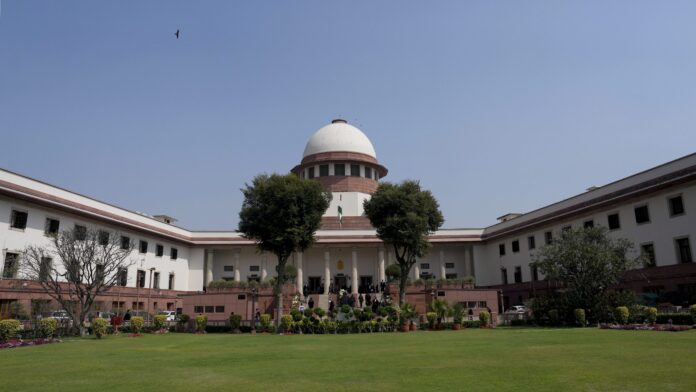
The Supreme Court on Thursday stayed the implementation of a recently notified University Grants Commission (UGC) regulation after multiple petitions challenged it for adopting a non-inclusive definition of caste-based discrimination and excluding certain categories from institutional protection.
A bench comprising Chief Justice of India Surya Kant and Justice Joymalya Bagchi issued notices to the Centre and the UGC while hearing pleas against the University Grants Commission (Promotion of Equity in Higher Education Institutions) Regulations, 2026, which were notified on January 13.
The new regulations mandate all higher education institutions to constitute “equity committees” to address complaints of discrimination and promote equity on campuses. As per the norms, these committees are required to include representatives from Other Backward Classes (OBCs), Scheduled Castes (SCs), Scheduled Tribes (STs), persons with disabilities, and women.
The 2026 regulations replaced the earlier UGC (Promotion of Equity in Higher Educational Institutions) Regulations, 2012, which were largely advisory in nature.
The petitioners have assailed the new framework on the ground that it defines caste-based discrimination strictly as discrimination against members of SC, ST and OBC communities. They argued that by limiting the scope in this manner, the UGC has effectively denied institutional protection and grievance redressal mechanisms to individuals belonging to the general or non-reserved categories who may also face harassment or bias based on their caste identity.
The matter has also triggered protests in several parts of the country, with student groups and organisations demanding the immediate rollback of the regulations, alleging that they undermine the principle of equal protection and comprehensive equity in higher education.
The Supreme Court’s interim stay will remain in force until further orders, with the Centre and the UGC expected to place their responses before the court in the coming hearings.